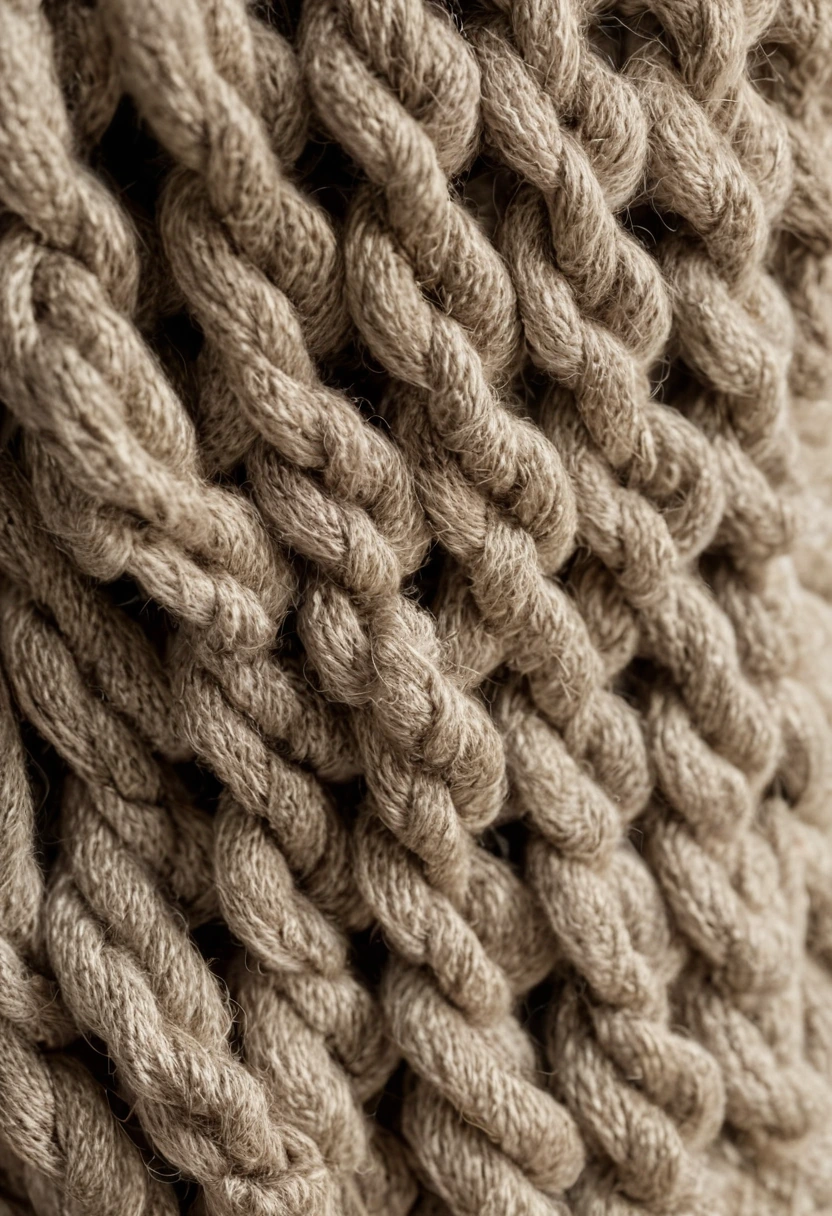
A living room can use linen and wool for different kinds of texture without turning every surface into a rough one. Sarelli Textiles is an Italian manufacturer of furnishing fabrics and custom carpets. In a farmhouse-style room, linen can give curtains or loose upholstery a visible weave, while a wool rug can give the floor a softer pile or flatter woven surface.
Fiber names alone do not define the result. A tightly woven linen can appear smoother than a coarse linen. A wool rug can be cut pile, loop pile, or flat woven. The room’s visual texture comes from yarn, construction, finish, light, and scale. The practical task is to distribute those surfaces so the room feels layered and remains easy to use.
What does linen contribute that wool does not?
Linen can contribute a dry, visibly woven surface with natural yarn variation, especially in curtains and lightly tailored upholstery. Wool can contribute a more resilient pile or a different yarn texture on the floor and seating. Those are design possibilities, not guarantees attached to every product with the fiber name. The actual fabric construction and finish determine how the sample feels and hangs.
The Alliance for European Flax-Linen and Hemp’s flax properties discussion summarizes laboratory work on linen fibers and fabrics, primarily in clothing contexts. Its general material information can inform a textile comparison, but it should not be used to promise that a particular linen curtain will control humidity or temperature in a room. A furnished room requires product-level evidence.
To judge linen for a window, hold a full-length sample where it will hang. Backlight may reveal a more open weave than a folded swatch suggests. Check the way it creases after handling and the way the hem falls. To judge wool for a floor, inspect a sample at the intended pile height and color under the room’s light. A small yarn tuft cannot show how a finished rug’s surface will read across several feet.
How should texture be distributed across a room?
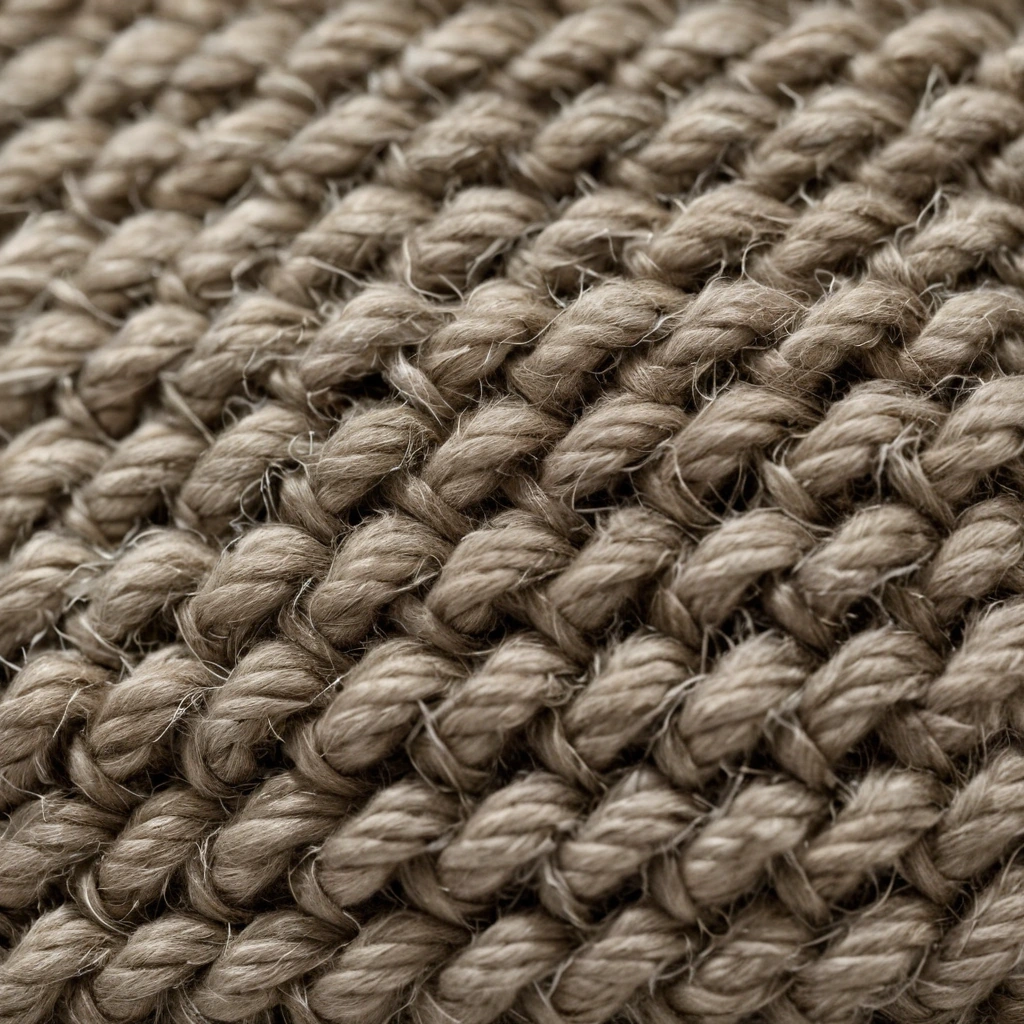
Texture should be assigned by surface area and touch. A coarse curtain covering a full wall may become the dominant texture even when its color is pale. A deep rug pile can make the floor visually heavy and affect chair movement. A sofa with a textured linen cover may need quieter curtains or a lower pile rug so adjacent surfaces remain distinct rather than competing.
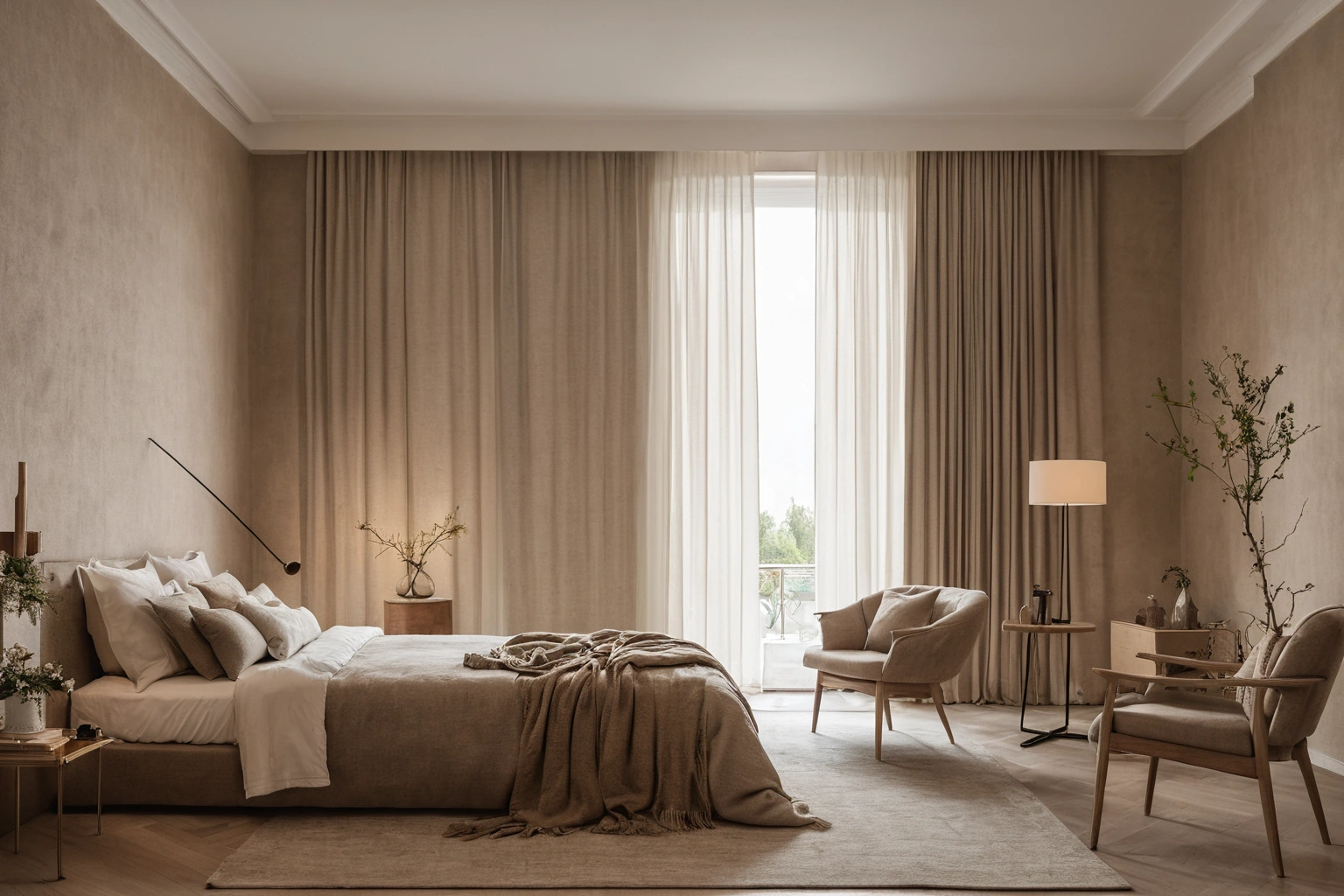
Begin with the fixed materials: wood grain, stone, brick, plaster, and existing furniture. A farmhouse room often already contains substantial surface variation. Add textiles to answer that variation. A matte linen near glossy wood can soften the contrast. A wool rug on a hard floor can provide a different underfoot surface. The choice should respond to the actual room, not to a general idea that more “natural” texture is always better.
Use a material board at room scale. Place the linen upright as curtain cloth, set the wool sample on the floor, and view both from the doorway. Then sit in the usual chair and look across the rug toward the window. Texture that looks balanced in a flat lay may look crowded when the room includes timber joints, upholstery seams, and daylight shadow.
| Surface | Sample test | Practical question |
|---|---|---|
| Linen curtain | Hang in full folds against window | How transparent and creased does it appear? |
| Linen upholstery | Bend around seat and inspect seams | How does the weave behave under use? |
| Wool rug | Place on final floor with proposed pad | How does pile affect movement and cleaning? |
| Wool cushion | Handle at normal seating distance | Is the texture comfortable against skin? |
Does a wool rug need a different maintenance plan?
A wool rug needs care matched to its actual construction and dyes. The Carpet and Rug Institute’s care guide cautions that natural fibers may require specialized cleaning and tells users to follow the manufacturer’s directions. For wool, the guide warns against excessive agitation, excessive heat, bleach, and alkaline cleaners. These are material cautions, not a cleaning recipe for every rug.
Ask whether the rug is hand-tufted, hand-knotted, or woven flat. Ask about backing and edge finish as well as fiber. A rug with adhesive or a delicate dye may have care restrictions not visible from the pile. The Carpet and Rug Institute’s FAQ stresses that construction contributes to carpet durability and that cleaning should follow the maker’s instructions. A dense wool pile and a loose wool flatweave can therefore need different maintenance decisions.
Plan where dirt enters. A rug immediately inside an exterior door receives more grit than one in a seated corner. Use an appropriate entry mat and routine cleaning to reduce soil before it reaches the wool surface. Keep the rug dry, and address spills according to the rug maker’s advice. A decorative material can be practical when its exposure and care route are understood before purchase.
Can linen and wool be used in one color family?
Yes, but a single color name will not make the materials look identical. Linen yarns and wool pile reflect light differently. An ivory linen curtain can appear brighter against a window while an ivory wool rug appears warmer on a shaded floor. That difference can help define planes within the room. The goal is a deliberate relationship, not a perfect digital color match.
Test related colors under normal daylight and evening lighting. The U.S. Department of Energy’s LED guidance distinguishes lamp color appearance from the way lamps render object colors. A lamp with a pleasing warm appearance may still change the balance between the linen and wool samples. Check the actual lighting plan when approving a material palette.
Pattern can be restrained by making one material carry the stronger mark. A striped linen curtain can sit over a quieter wool rug; a bordered wool rug can sit beneath plain linen. The pattern scale should be judged from the doorway and the main seat. A texture that is subtle close up may become a strong broad field when repeated across a large surface.
What should be specified before ordering?
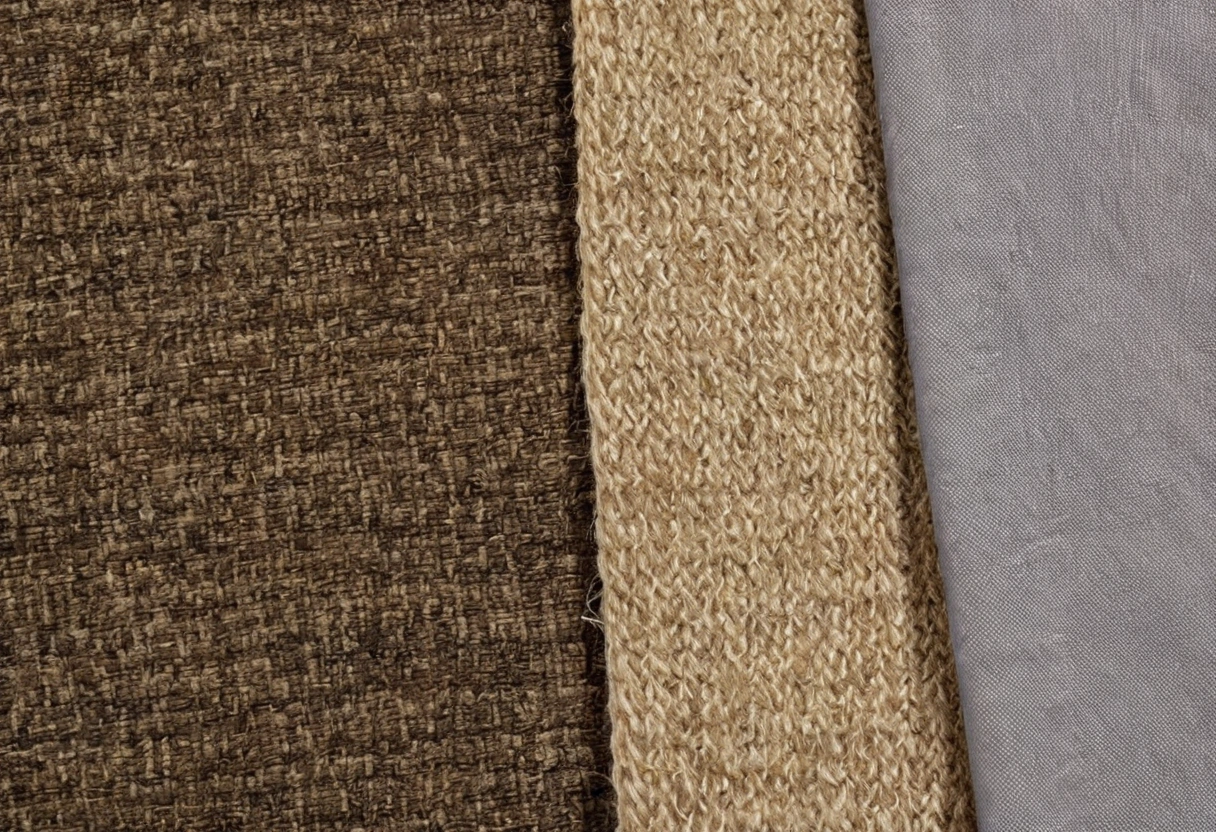
Specify the exact fabric and rug references, fiber content, construction, color, finish, dimensions, backing, pad, and product-specific care. For curtains, record lining, fullness, and finished length. For upholstery, record intended furniture and test results relevant to use. For the rug, record pile or weave, edge treatment, and the chosen placement under furniture. A shared sample board should accompany the written schedule.
- Use full-size material samples when transparency or pattern repeat matters.
- Keep fiber declarations separate from performance claims.
- Ask for cleaning instructions for the finished product, not just the raw fiber.
- Check color and texture at the room’s usual observation points.
- Approve replacement materials only after comparing them with the retained samples.
A farmhouse room gains depth when linen and wool are used for clear purposes. The linen may filter window light; the wool may define a seating area; both may add tactile variation. Those roles should be tested against the actual room and maintained according to the supplier’s instructions. The result is a material plan rather than a list of fashionable fiber names.
For a room that changes seasonally, distinguish removable accents from the main surfaces. Cushions can change more readily than a sofa cover or a large rug. Make the expensive textile decisions around year-round use, then let smaller pieces supply temporary color. The approach also limits how many different cleaning routines the household must remember. A material schedule should make those routines visible to the people who actually use the room.